





Built for Humans, Not Bots: Introducing the Serpent Defence Framework
s͛Card has introduced the Serpent Defence Framework, a multi-layered security architecture designed to protect users from automated data scraping and abuse, enhancing privacy and resilience while maintaining a seamless user experience. This new framework operates quietly in the background, continuously adapting to evolving threats to ensure user information remains secure and trustworthy.

The New Infrastructure Behind Anonymous Digital Attacks
The article discusses how the evolution of the internet, particularly with the rise of anonymous infrastructure, AI-driven automation, and large-scale proxy networks, has transformed digital business card platforms into valuable targets for abuse and necessitated a shift to adaptive, behaviour-based security. It argues that modern digital identity platforms must balance openness with protection, emphasizing that trust and continuous security adaptation are essential as automation and anonymity become more sophisticated.

Why Secure Digital Business Cards Should Not Allow Anonymous Access
What if the biggest threat to your professional identity online isn’t a hacker — but an invisible system pretending to be human? This article explores why anonymous access is becoming a growing risk for digital business card platforms, how AI-driven scraping and proxy networks are reshaping online trust, and why modern professional networking now requires stronger accountability and security.

Why Some People Hesitate to Scan Digital Business Cards
Many people hesitate to scan digital business card QR codes due to growing concerns about scams, phishing, and online security. While digital business cards offer convenience and modern networking benefits, trust still plays a major role in user behaviour. Technology adoption depends on personal experience, digital awareness, and context, proving that successful networking remains rooted in human connection and credibility.

The Email You Almost Opened: Why Understanding Email Safety Matters
A normal email can quickly become a serious risk if users do not recognise the warning signs. This article begins with a relatable story, then explains why email remains so important, how common email threats work, and what CC and BCC mean. It gives readers a practical foundation for using email more safely, clearly, and confidently in everyday life.

The Day the Inbox Turned Against You: What Happens After an Email Hack
An email hack rarely begins with obvious chaos, but its effects can spread fast. This article opens with a realistic story, then explains how email accounts get compromised, what signs to watch for, what to expect after an incident, and the SOP for recovery. It also shows readers how to stay calm, think clearly, and respond with steady, practical action.

When Research Ignores Consent: Why Non-Consensual Web Scanning Fails Academic Ethics
This article examines a University of Georgia web scanning project that probes servers globally without prior consent. It challenges the claim that "educational purpose" justifies non-consensual data collection, dismantles the opt-out-as-consent fallacy, and argues that academia must meet the same ethical standards society demands of corporations. If consent doesn't come first, it isn't ethics — it's convenience.

Answer-First Writing: Get to the Point Faster (Without Sounding Cold)
Answer-first writing puts the conclusion where readers expect it—at the top. Instead of building slowly, it leads with the point, then earns it with clarity and evidence. Used well, it reduces friction, speeds decisions, and signals professional judgment. In a world of limited attention, answer-first writing isn’t blunt—it’s respectful, practical, and increasingly essential.

Why “Call” and “Directions” Are the Most Powerful Signals in Maps
Modern map platforms have evolved into conversion engines, rewarding businesses that turn intent into real-world outcomes. This article explains why Call and Directions are the most valuable signals in maps, how they influence rankings, ads, and trust, and what leaders must operationalize to win visibility by reducing friction, improving action rates, and reliably converting discovery into arrival.

Golden 7 Minutes & Time Values: The Line Between High Performers and Low Performers
Most people don’t lack time—they misuse the minutes that matter most. This article explains how high performers protect their first focused minutes, why wasting someone’s Golden 7 damages real work, and how time awareness shapes execution, responsibility, and long-term opportunity. Learn how treating minutes like capital becomes a competitive advantage that compounds over years.

Golden 7 Minutes Framework: A Faster Way to Think, Decide, and Act
Most people don’t need more time—they need a faster way to turn messy situations into clear action. The Golden 7 Minutes Framework gives you a simple minute-by-minute process to store information, analyse it quickly, define the real issue, choose a direction, and take a practical next step. Use it anytime you feel stuck and need clarity fast.

AI Everywhere: Progress or Pressure Cooker for Humanity?
Artificial intelligence is accelerating everything, from work to daily life, and what began as progress is fast becoming pressure. As AI raises expectations and compresses time, humans are pushed to operate at machine pace. The real challenge is not adopting AI, but deciding who controls the speed, and whether progress still leaves room for rest, meaning, and humanity.
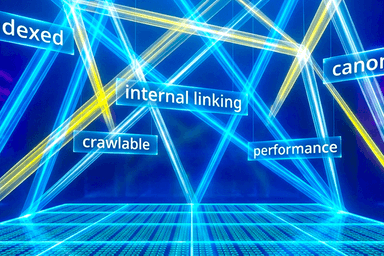
The AI-First Search Playbook (2025 - 2026): How to Win with SEO, AEO and GEO
Search in 2025 is no longer about rankings alone. As AI reshapes discovery, brands must combine SEO, AEO and GEO to stay visible. SEO builds eligibility, AEO secures answer-level exposure, and GEO ensures inclusion in AI-generated responses. Success now depends on authoritative, well-structured content that earns trust, shapes narratives and influences decisions, even when users never click through.

SEO, AEO, and GEO: The New Search Stack in the Age of Generative AI
Search is no longer just about ranking on Google. As generative AI reshapes how people find information, visibility now depends on three layers: SEO to remain discoverable, AEO to appear as the answer in zero-click results, and GEO to be included in AI-generated responses. Brands that invest in clear, authoritative, well-structured content will shape decisions even when users never click through.

Sincerity as a Business Filter: How to Protect Your Time, Reputation and Partnerships
Many business conversations look promising at the start, yet quietly drain time and never lead anywhere. The real issue isn’t lack of opportunity—it’s engaging with people who were never serious to begin with. This article explains how to identify low-sincerity behaviour early, avoid ineffective partnerships, and protect your time, reputation and focus before commitments are made.

Golden 7 Minutes: The Launch Engine of Personal Focus and Productivity
The Golden 7 Minutes is a short, structured ritual that helps you switch from scattered to focused before any important task. This article explains why starting matters more than working longer, how a quick activation cuts warm-up time, and how to use a simple 7-minute process to enter focus faster, even on busy, unpredictable days.

Heartfelt Christmas and New Year Greetings: Share the Joy of the Season (2025-2026)
Celebrate this festive time of year with warmth, joy, and meaningful connections. From Christmas traditions to New Year hopes, this collection offers a variety of greeting messages, including classic, spiritual, cheerful, professional, and personal styles. Whether you are reaching out to loved ones, friends, or business partners, these messages are designed to help you express appreciation and share the spirit of the season. Let’s make Christmas 2025 and the arrival of 2026 truly memorable.
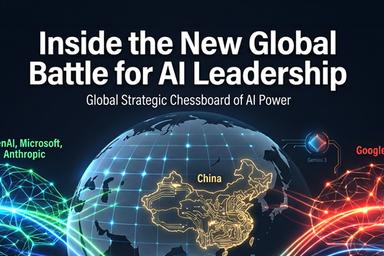
Navigating the AI Power Play: OpenAI, Anthropic, Microsoft, Google, and China’s Strategic Moves
The AI landscape is shifting as Anthropic, OpenAI, Microsoft, Google, and China escalate competition through major investments and new technologies. Microsoft now balances partnerships with both OpenAI and Anthropic, while Google pressures rivals with Gemini 3, Nano Banana Pro, and Antigravity. China’s AI hardware ambitions add geopolitical complexity. Together, these moves reshape enterprise strategy, innovation speed, and global AI power dynamics.

The Strategic Prompt: A Modern Cognition Framework for the 2025 AI Landscape
Elevate your AI interactions with a strategic prompt framework built for today’s models — one that clarifies the problem, activates top-tier expert reasoning, and reframes challenges to expose deeper opportunities. This isn’t traditional prompt engineering; it’s a method for shaping how the AI thinks with you. For founders, operators, and technical leaders, it transforms the model from a tool into a true strategic partner. Ready to move from prompting to co-reasoning?

China’s Growing Footprint in Open-Source AI: What Business Leaders Should Understand
China has become a major user of open-source AI model weights, reflecting rapid adoption across universities, startups, enterprises, and government institutes. Open models offer flexibility, cost efficiency, and local control, supporting fast experimentation and broad skills development. For businesses globally, this shift highlights rising competition, the need to balance proprietary and open-weight tools, and growing importance of governance and strategic AI independence.
Most read
Loading...
Popular Tags
Follow us

Get the most popular topic straight to your inbox!
Every month, our expert team sifts through tech, culture and business news to bring you the most pertinent information for our engaged readership of thousands.